Renovating your home is usually done with one goal in mind: improving its comfort, functionality, and value. However, not every renovation increases a home’s worth. In fact, some remodeling decisions can reduce your property’s market value, making it harder to sell and costing you thousands of dollars in the long run.
Many homeowners focus on choosing new flooring, paint colors, or countertops but overlook the factors that buyers and appraisers care about most. Poor planning, low-quality workmanship, and renovations that don’t fit the neighborhood can quickly turn an investment into a costly mistake.
So, what devalues a house the most during renovations?
The hard reality is that bad planning, poor-quality work, unpermitted renovations, and over-customization are often the biggest reasons a remodeled home loses value.
In this guide, we’ll explore the most common renovation mistakes that can hurt your home’s resale value and explain how to avoid them.
Quick Answer
The biggest factors that devalue a home during renovations include:
- Poor workmanship
- Renovations completed without permits
- Over-improving beyond neighborhood values
- Cheap materials and finishes
- Removing functional living spaces
- Poor layout changes
- Ignoring structural or moisture issues
- Trendy designs that age quickly
Making smart renovation decisions is just as important as completing the renovation itself.
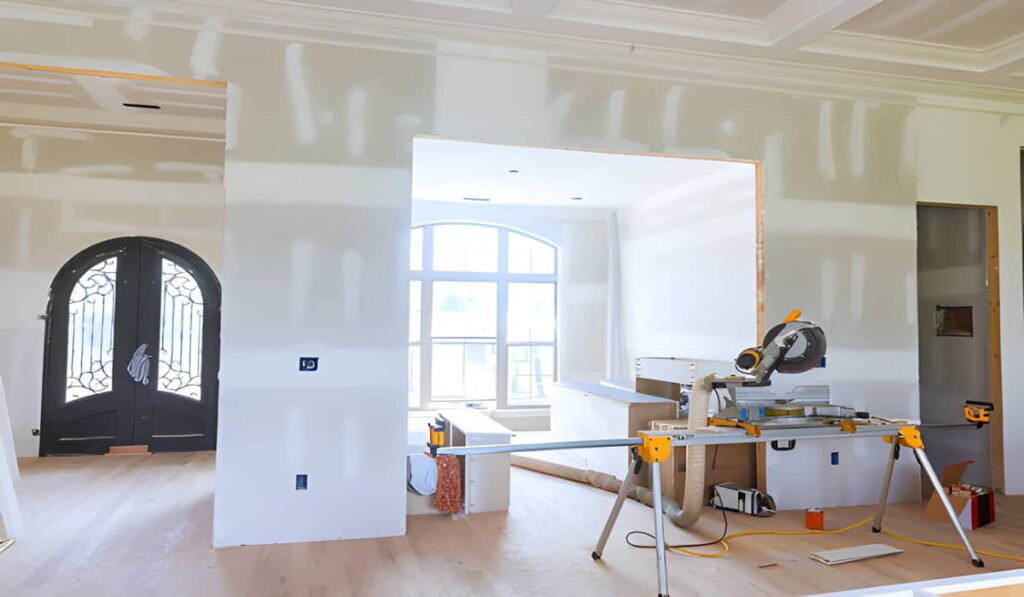
Poor Workmanship Is One of the Biggest Value Killers
Even expensive materials cannot hide poor construction.
Buyers quickly notice:
- Uneven flooring
- Crooked cabinets
- Poor paint finishes
- Gaps around trim
- Loose tiles
- Doors that don’t close properly
These issues immediately reduce buyer confidence.
Instead of thinking, “This home was recently renovated,” buyers begin wondering what other hidden problems may exist.
Professional workmanship adds value, while rushed or poorly executed work often has the opposite effect.
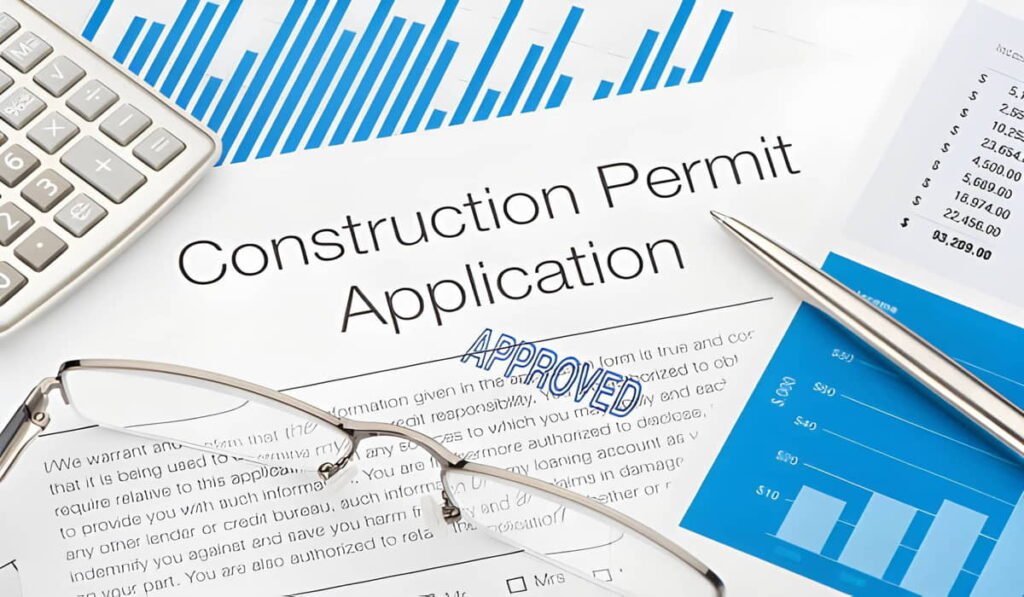
Renovating Without the Proper Permits
One of the most expensive mistakes homeowners make is skipping permits.
Projects involving:
- Structural changes
- Electrical work
- Plumbing
- HVAC
- Home additions
- Finished basements
Often require permits and inspections.
Unpermitted work can create problems during:
- Home inspections
- Property appraisals
- Insurance claims
- Future home sales
Many buyers become hesitant when renovations cannot be verified as code-compliant.
Over-Improving Beyond Your Neighborhood
Spending more doesn’t always mean your home will be worth more.
For example, installing luxury finishes in a neighborhood of modest homes may not deliver a return on investment.
Examples include:
- High-end imported flooring
- Luxury kitchens far above local market standards
- Premium appliances in entry-level neighborhoods
- Custom features that buyers don’t expect
Your home’s value is influenced not only by renovations but also by comparable nearby properties.
Choosing Cheap Materials to Save Money
Trying to reduce home renovation costs by selecting the lowest-priced materials often becomes expensive later.
Buyers can usually recognize:
- Thin laminate flooring
- Low-quality cabinets
- Cheap fixtures
- Poor-quality countertops
- Inferior paint finishes
These materials wear out faster and make the home feel less valuable.
Investing in durable, mid-to-high-quality materials often provides better long-term value.
Removing Bedrooms to Create Larger Spaces
Open layouts remain popular, but removing bedrooms isn’t always a smart investment.
For example:
Turning a four-bedroom home into a three-bedroom home may reduce its market appeal because many buyers search specifically by bedroom count.
Always consider how renovations affect the home’s functionality, not just its appearance.
Poor Layout Changes
A beautiful home with an awkward layout can still lose value.
Examples include:
- Walking through one bedroom to reach another
- Bathrooms opening directly into kitchens
- Small rooms created by poor planning
- Wasted hallway space
A functional floor plan is often more valuable than expensive finishes.
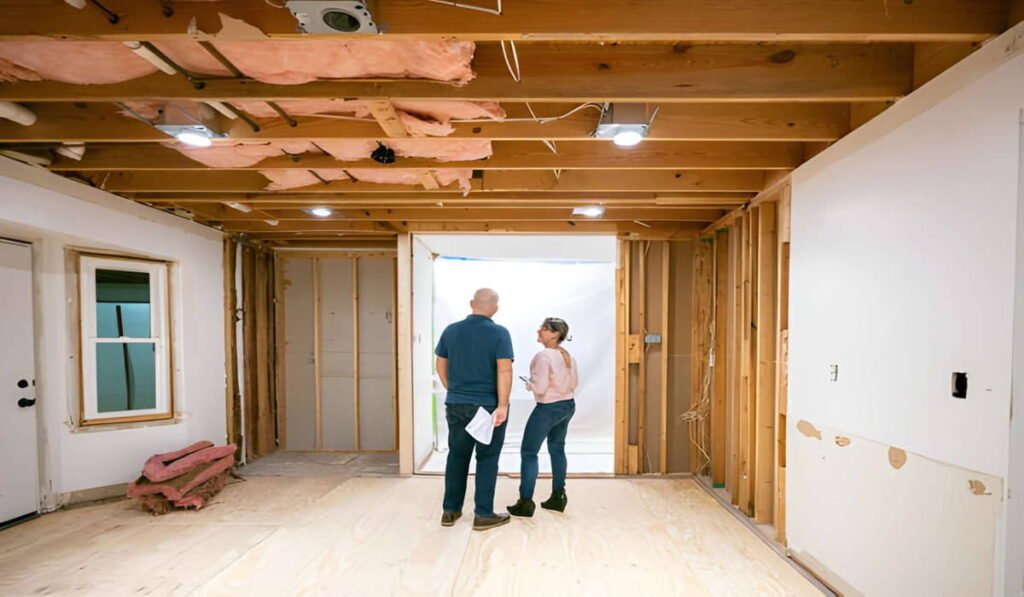
Ignoring Structural Problems
Some homeowners focus on cosmetic improvements while ignoring larger issues.
These include:
- Foundation cracks
- Roof problems
- Water damage
- Mold
- Drainage issues
- Structural movement
Fresh paint may temporarily hide these problems, but buyers and inspectors usually find them.
Addressing structural issues before cosmetic upgrades protects your investment.
Covering Up Moisture Problems
Water damage is one of the fastest ways to reduce property value.
Simply installing new drywall or flooring without fixing the source of moisture can lead to:
- Mold growth
- Wood rot
- Musty odors
- Damaged finishes
Successful renovations always begin by solving underlying problems first.
Extremely Personalized Designs
Your dream home may not match every buyer’s taste.
Examples include:
- Bright-colored kitchen cabinets
- Unusual wallpaper throughout the home
- Highly customized built-ins
- Themed rooms
- Bold tile patterns
While personal style is important, overly customized renovations often limit buyer interest.
Neutral, timeless designs typically appeal to a broader market.
DIY Projects Beyond Your Skill Level
Do-it-yourself renovations can save money when done correctly.
However, poorly executed DIY work often reduces buyer confidence.
Common issues include:
- Uneven tile installation
- Incorrect plumbing
- Faulty electrical work
- Poor drywall finishing
- Inconsistent flooring
If buyers notice one obvious DIY mistake, they often assume other hidden issues exist as well.
Ignoring Energy Efficiency
Today’s buyers pay attention to operating costs.
Older features such as:
- Drafty windows
- Poor insulation
- Inefficient HVAC systems
- Outdated lighting
Can make a home less attractive.
Energy-efficient improvements often provide better long-term value than purely cosmetic upgrades.
Choosing Trends Over Timeless Design
Design trends change quickly.
What looks modern today may appear outdated within a few years.
Examples include:
- Extremely bold colors
- Highly specific cabinet styles
- Trend-driven lighting
- Unusual flooring patterns
Classic, neutral designs usually remain attractive for much longer.
Poor Exterior Improvements
First impressions matter.
Neglecting your home’s exterior while renovating the interior can reduce perceived value.
Important areas include:
- Landscaping
- Front entry
- Driveway
- Roof condition
- Exterior paint
- Siding
Strong curb appeal encourages buyers to view the rest of the property positively.
Hiring the Wrong Contractor
One poor contractor can create years of problems.
Before hiring, homeowners should verify:
- Licensing
- Insurance
- Experience
- References
- Previous projects
A reputable contractor helps protect both your investment and your home’s value.
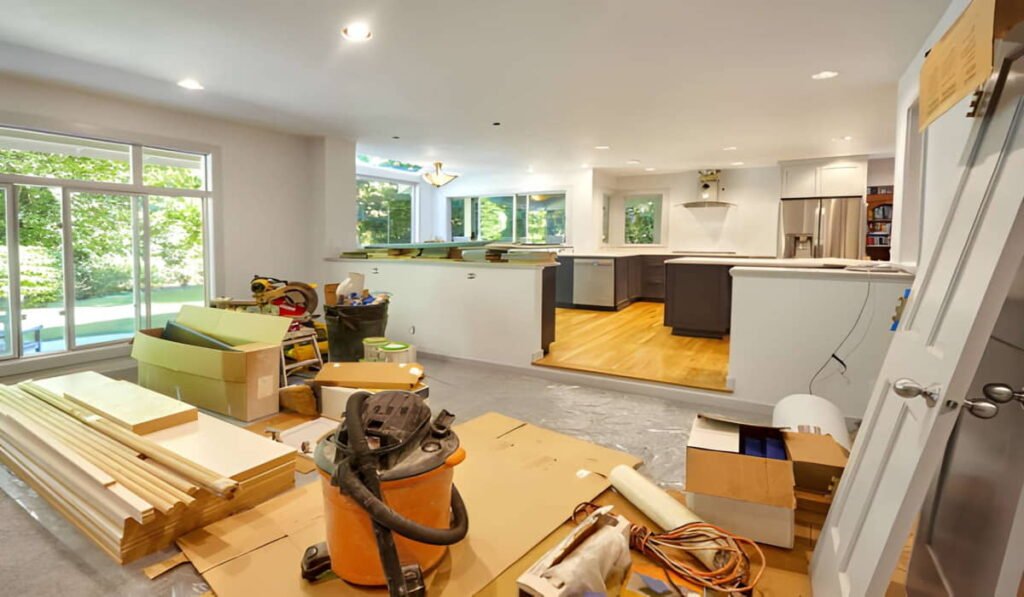
Renovating Without a Long Term Plan
Many homeowners renovate one room at a time without considering how everything fits together.
This often results in:
- Inconsistent finishes
- Mismatched flooring
- Different design styles
- Uneven quality throughout the home
Planning the entire renovation before beginning creates a more cohesive result.
Renovations That Usually Add Value
While some projects reduce value, others consistently provide strong returns.
Examples include:
- Kitchen remodeling
- Bathroom remodeling
- Finished basements (with permits)
- Energy-efficient upgrades
- Fresh interior paint
- Flooring replacement
- Roof replacement when needed
- Functional home additions
These improvements generally appeal to a wide range of buyers.
Tips to Protect Your Home’s Value During Renovation
Plan Before You Build
A clear renovation plan reduces costly changes later.
Focus on Quality
Professional workmanship almost always pays off.
Obtain Necessary Permits
Legal, code-compliant work protects resale value.
Stay Within Neighborhood Standards
Avoid spending far beyond surrounding home values.
Solve Hidden Problems First
Structural, plumbing, electrical, and moisture issues should always come before cosmetic improvements.
Frequently Asked Questions
What renovation mistake hurts resale value the most?
Poor workmanship and unpermitted renovations are among the biggest factors that reduce buyer confidence and property value.
Do expensive renovations always increase value?
No. Spending more than comparable homes in your neighborhood often produces a lower return on investment.
Should I renovate before selling my house?
It depends on the home’s condition. Repairs that improve functionality, appearance, and safety usually provide the best returns.
Are DIY renovations bad for resale?
Not necessarily. However, poor-quality DIY work can reduce buyer confidence and may require costly corrections.
What renovations usually provide the best return?
Kitchen updates, bathroom remodels, flooring improvements, energy-efficient upgrades, and professionally completed home additions often provide the strongest value.
Final Thoughts
The hard reality is that not every renovation increases a home’s value. In many cases, homeowners lose money because they focus on appearances while overlooking quality, permits, functionality, and long term buyer expectations.
The best renovations solve real problems, improve how the home functions, and are completed to a high standard using quality materials. Before starting any remodeling project, think beyond today’s trends and consider what future buyers will value.
By planning carefully, hiring experienced professionals, obtaining the necessary permits, and making practical design choices, you can renovate with confidence while protecting and often increasing your home’s long-term value.