Adding more space to your home is one of the most valuable investments you can make. Whether your family is growing, you’re working from home, or you simply need extra living space, a home addition can increase both your home’s functionality and resale value.
However, one of the first questions homeowners ask is, “How much does it cost to put an addition on a house in New Jersey?”
The answer depends on several factors, including the size of the addition, the type of room being built, the materials used, and local labor costs. While every project is unique, understanding the average costs can help you plan your budget and make informed decisions.
Quick Answer
In New Jersey, the cost to build a home addition typically ranges from $150 to $400 or more per square foot, depending on the complexity of the project, materials, finishes, and structural requirements.
A small room addition may cost $30,000 to $60,000, while larger or more customized additions can range from $75,000 to well over $200,000.
What Affects the Cost of a Home Addition?
No two home additions are exactly alike. Several factors determine the final project cost.
Size of the Addition
Square footage is one of the biggest pricing factors.
Generally, larger additions cost more overall because they require additional:
- Foundation work
- Framing
- Roofing
- Insulation
- Electrical work
- Plumbing
- HVAC
- Interior finishes
Although the total price increases, larger projects sometimes have a lower cost per square foot than very small additions.
Type of Addition
Different types of additions require different levels of construction.
Bedroom Addition
Adding a bedroom is usually one of the more straightforward projects because it often requires minimal plumbing.
Bathroom Addition
Bathrooms typically cost more due to plumbing fixtures, drainage, waterproofing, and tile installation.
Kitchen Expansion
Kitchen additions are among the most expensive because they involve cabinetry, countertops, plumbing, electrical work, ventilation, and appliances.
Family Room or Living Room
These projects generally fall in the mid-range, depending on finishes and structural modifications.
Second-Story Addition
Building upward often costs more because the existing structure may need reinforcement before construction begins.
Foundation Requirements
Every ground-level addition starts with a foundation.
The type of foundation depends on your home’s existing structure and local soil conditions.
Options may include:
- Concrete slab
- Crawl space
- Full basement
Foundation work represents a significant portion of the overall construction cost.
Roofing and Exterior Finishes
Your new addition should blend seamlessly with the existing home.
This may involve:
- Matching roofing materials
- Matching siding
- Brick or stonework
- Windows
- Exterior trim
- Gutters
Using premium exterior materials naturally increases costs.
Plumbing and Electrical Work
If your addition includes a bathroom, laundry room, or kitchen, plumbing costs will be considerably higher.
Electrical work may include:
- New circuits
- Lighting
- Outlets
- Smart home features
- Ceiling fans
- Smoke detectors
The more utilities required, the larger your budget should be.
HVAC Installation
Your heating and cooling system must also accommodate the new space.
Depending on your existing HVAC system, you may need:
- Additional ductwork
- Mini-split systems
- Larger furnace
- Upgraded air conditioning
- Zoning systems
HVAC upgrades are often overlooked during initial budgeting.
Interior Finishes
The finish level you choose has a major impact on cost.
Examples include:
Standard Finishes
- Builder-grade flooring
- Basic paint
- Standard lighting
- Stock trim
Premium Finishes
- Hardwood flooring
- Custom cabinetry
- Luxury tile
- Designer lighting
- Built-in shelving
- High-end fixtures
Higher-end materials increase both construction costs and long-term property value.
Permit and Inspection Costs
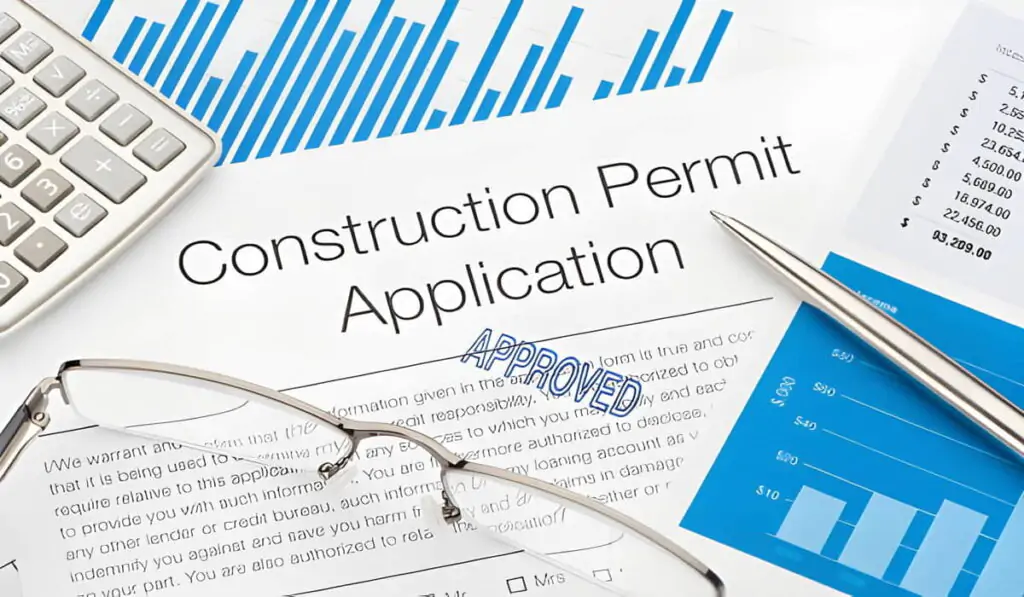
Home additions in New Jersey typically require building permits.
Depending on the municipality, you may also need inspections for:
- Structural work
- Electrical systems
- Plumbing
- Mechanical systems
- Final occupancy approval
Permit costs vary by town and project size.
Average Home Addition Costs in New Jersey
While every project differs, homeowners can generally expect:
Small Home Addition
A basic room addition often starts around $30,000 to $60,000.
Medium-Sized Addition
Projects such as family rooms, large bedrooms, or expanded living spaces commonly range between $60,000 and $120,000.
Large or Luxury Additions
Major additions involving kitchens, multiple rooms, or second-story construction frequently exceed $150,000 and may surpass $200,000, depending on finishes and structural complexity.
Is a Home Addition Worth the Investment?
For many homeowners, the answer is yes.
Instead of moving to a larger house, adding living space allows you to:
- Stay in your current neighborhood
- Avoid moving costs
- Customize your home
- Increase property value
- Improve daily comfort
In competitive New Jersey real estate markets, additional square footage can also make a home more attractive to future buyers.
Home Addition vs. Buying a Larger Home
Many homeowners debate whether to expand or relocate.
Advantages of Building an Addition
- Keep your current location
- Customize the design
- Avoid real estate commissions
- Stay near schools and neighbors
- Increase usable living space
Advantages of Moving
- Immediate additional space
- No construction disruption
- Opportunity to upgrade location
The better option depends on your family’s long-term goals and budget.
How Long Does a Home Addition Take?
Construction timelines vary based on project size.
Most additions require several phases:
Planning and Design
Architectural drawings, engineering, and budgeting.
Permits
Approval timelines vary by municipality.
Construction
Foundation, framing, roofing, mechanical work, insulation, drywall, flooring, painting, and final finishes.
Many residential additions take several months from planning to completion.
How to Budget for a Home Addition
Successful projects begin with realistic budgeting.
Consider setting aside funds for:
- Construction costs
- Permits
- Design fees
- Utility upgrades
- Landscaping repairs
- Unexpected structural issues
- Interior furnishings
Having a contingency budget helps manage surprises uncovered during construction.
Tips Before Starting Your Home Addition
Hire an Experienced Contractor
Choose a licensed contractor with experience building home additions in New Jersey.
Understand Local Building Codes
Every municipality has specific permit and zoning requirements.
Plan for Future Needs
Consider whether your family may need even more space later.
Match the Existing Home
A well-designed addition should feel like part of the original house rather than an obvious extension.
Invest in Quality Materials
Higher-quality materials often provide better durability and long-term value.
Frequently Asked Questions
How much does a home addition cost per square foot in NJ?
Most home additions in New Jersey range from $150 to $400+ per square foot, depending on the project’s complexity and finishes.
Is it cheaper to build up or build out?
It depends. Building out usually requires more foundation and roofing work, while building up often requires structural reinforcement. A contractor can determine the most cost-effective option for your home.
Do I need permits for a home addition?
Yes. Most additions require permits and inspections to ensure the work complies with local building codes.
Does a home addition increase property value?
In many cases, yes. Well-designed additions can improve both functionality and resale value, particularly when they add usable living space.
How can I keep costs under control?
Choose practical designs, establish a realistic budget, work with an experienced contractor, and avoid making major design changes after construction begins.
Final Thoughts
The cost of adding onto a house in New Jersey varies depending on the size, design, materials, and complexity of the project. While most homeowners can expect to pay between $150 and $400 or more per square foot, the investment often delivers lasting benefits in terms of comfort, functionality, and property value.
Whether you’re adding a bedroom, expanding your kitchen, building a family room, or creating an entirely new living space, careful planning and working with an experienced contractor are essential to a successful project.
Before beginning construction, discuss your goals, budget, and timeline with a qualified home remodeling professional. A detailed plan and accurate estimate will help ensure your new addition complements your home and meets your family’s needs for years to come.