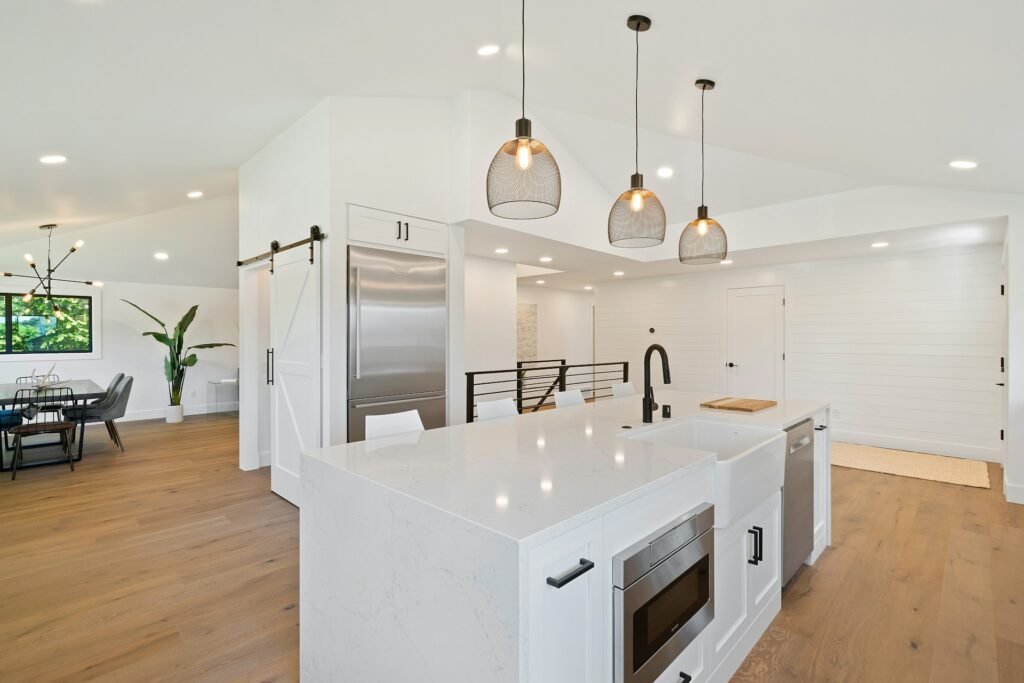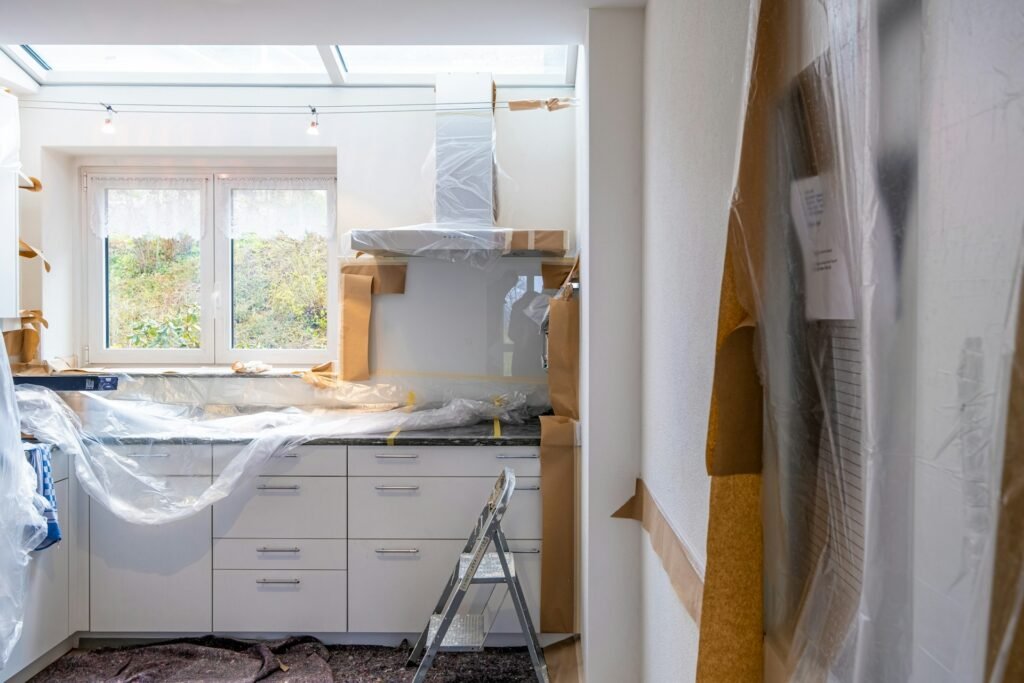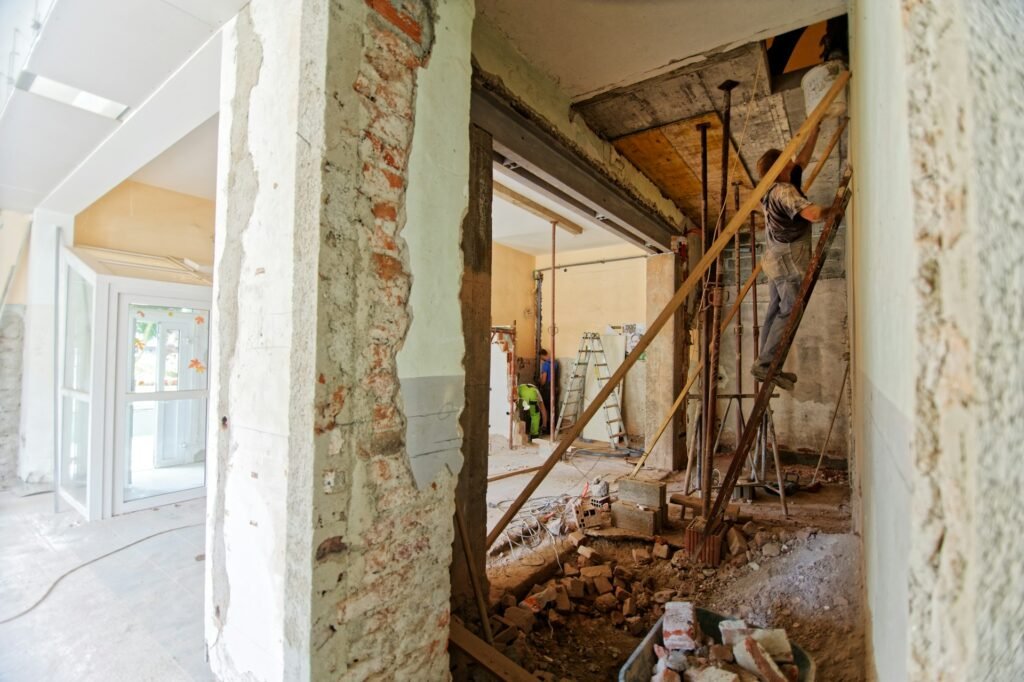
Major home renovations can affect your daily routine, personal belongings, and living space. Whether you are updating your kitchen, remodeling a bathroom, finishing a basement, or adding a new room, preparing your home before construction begins can make the project easier to manage.
Start by discussing the renovation plan with your contractor, removing personal belongings from the work area, protecting furniture and floors, and planning where your family will stay during construction. You should also consider dust, noise, pets, children, parking, and access to essential facilities.
Good preparation helps reduce avoidable delays, protects your belongings, and gives the renovation team enough space to work safely.
1. Understand the Renovation Plan Before Work Begins
Before moving furniture or packing your belongings, make sure you understand what the renovation will involve.
Ask your contractor to explain the work areas, construction stages, expected timeline, and any parts of your home that may become unavailable.
For example, a kitchen renovation may affect cooking and food storage. A bathroom remodel may leave you with fewer working bathrooms. A basement renovation may affect storage areas, laundry facilities, or access to utilities.
Discuss these points before the start date:
- Which rooms or areas will be renovated?
- Which parts of the home will remain accessible?
- What work will happen first?
- How long could each stage take?
- Will water, electricity, heating, or cooling need to be turned off?
- Where will workers enter and exit the property?
- Where should materials and tools be stored?
- Will you need to arrange temporary living space?
Ask for a written project schedule where possible. Remember that the schedule may change if the team finds hidden damage, permit issues, or other unexpected conditions.
2. Remove Furniture and Personal Belongings
Clear the renovation area before the contractors arrive. Furniture, decorations, electronics, and personal items can get in the way of construction work.
Start by removing everything that is not needed in the work area.
For example, before a kitchen renovation, remove:
- Small kitchen appliances
- Plates, glasses, and cooking utensils
- Food items
- Dining chairs and movable tables
- Wall decorations
- Personal documents and valuables
For a bedroom or living room renovation, move beds, sofas, cabinets, lamps, electronics, and decorative items to another room.
If you cannot move large furniture, ask your contractor whether it can remain covered in a separate protected area.
Store Valuable and Fragile Items Safely
Keep valuable items away from the construction zone. This includes jewellery, cash, important documents, family photographs, artwork, and delicate decorations.
Use labelled boxes for smaller belongings. Wrap fragile items with suitable protective material and store them in a dry, secure room.
If you need temporary storage, arrange it before construction begins.
3. Protect Floors, Walls, and Furniture
Construction work can create dust, dirt, scratches, and debris. Even when workers take care, nearby surfaces may need extra protection.
Discuss protective measures with your contractor before the work starts.
Common protection methods include:
- Floor protection sheets or suitable coverings
- Plastic sheeting to separate work areas
- Dust barriers around doorways
- Protective covers for furniture
- Corner guards for exposed walls
- Temporary coverings for nearby fixtures
Do not assume that every part of your home will be protected automatically. Confirm which areas the renovation team will cover and which items you should move yourself.
Pay special attention to hallways, stairs, entryways, and other paths workers will use to carry materials and equipment.
4. Prepare for Dust and Noise
Dust and noise are common parts of major renovation work. Cutting, drilling, sanding, demolition, and material removal can affect rooms outside the main work area.
Before construction starts, ask how the contractor plans to control dust and keep the work area separate from the rest of your home.
You can also take a few practical steps:
- Close doors between the renovation area and living spaces.
- Remove fabric items near the work zone.
- Store clean clothes and bedding in closed cupboards or containers.
- Keep windows and ventilation systems in mind when planning dust control.
- Move electronics and sensitive equipment away from the work area.
- Arrange regular cleaning of areas that remain in use.
If anyone in your household is sensitive to dust or noise, discuss this with your contractor before work begins. You may need additional protection or temporary arrangements.
Do not block air vents or change your heating and cooling system settings without checking with the contractor. Dust-control measures should not create ventilation or safety problems.
5. Plan Where Your Family Will Stay
Some renovations make parts of your home difficult or unsafe to use. You should decide how your family will manage before construction begins.
For a small renovation, you may be able to stay in the house and use other rooms. A major kitchen remodel, bathroom renovation, or whole-floor project may require more planning.
Think about these everyday needs:
- Where will you sleep?
- Where will you prepare meals?
- Which bathroom can you use?
- Where will children study or play?
- Where can you work from home?
- How will you access laundry facilities?
- Where can you relax away from construction noise?
For example, if your kitchen will be unavailable, set up a temporary food preparation area in another room. Keep basic utensils, drinking water, snacks, and easy-to-prepare meals available.
If the renovation affects several essential rooms at the same time, consider staying with family or arranging temporary accommodation.
6. Make Arrangements for Children and Pets
Construction areas can contain sharp tools, exposed wiring, loose materials, dust, and other hazards. Children and pets should not enter these spaces.
Before work starts, discuss access restrictions with your contractor.
You can prepare by:
- Setting clear boundaries around the work area.
- Keeping children away from tools and materials.
- Arranging childcare when necessary.
- Keeping pets in a secure room away from workers.
- Planning alternative walking and outdoor routes for pets.
- Making sure gates and exterior doors remain secure.
Do not rely only on temporary signs or verbal instructions. Use suitable physical barriers where needed, and follow the contractor’s site-safety arrangements.
If workers need access to areas where children or pets normally spend time, plan another safe space for them.
7. Protect Important Documents and Household Valuables
Major renovations can involve workers entering different parts of your home. It is sensible to secure important belongings before the project starts.
Move the following items to a safe location:
- Passports and identity documents
- Property papers
- Insurance documents
- Bank statements
- Jewellery and cash
- Personal photographs
- Work equipment
- Confidential business documents
You should also keep digital or printed copies of important renovation documents, including the agreed scope of work, estimates, contracts, permits where applicable, and payment records.
Keep these documents somewhere you can access without entering the construction area.
8. Check Access, Parking, and Material Storage
Renovation teams may need space for vehicles, tools, building materials, and waste removal.
Before the start date, discuss where workers will park and how materials will reach the work area.
Consider:
- A clear entrance for workers
- A suitable path for carrying materials
- Space for deliveries
- A location for construction waste
- Protection for driveways and walkways
- Access to electrical outlets or water, if required
- Any building or neighbourhood access rules
If you live in a townhouse, apartment, or community with shared areas, check whether there are restrictions on working hours, parking, deliveries, or waste disposal.
Tell your contractor about any access limitations before the project begins. This can help avoid delivery problems and unnecessary delays.
9. Prepare for Temporary Utility Disruptions
Some renovation work requires temporary changes to your electricity, water, gas, heating, or cooling systems.
For example, plumbing work may require the water supply to be turned off. Electrical work may affect power in certain rooms. A kitchen renovation may require temporary disconnection of appliances.
Ask your contractor which utilities may be affected and when.
Before work begins:
- Identify the main water shut-off location.
- Know where your electrical panel is.
- Discuss how essential appliances will be handled.
- Plan for periods without water or electricity.
- Keep important devices charged.
- Arrange alternative cooking or washing facilities if needed.
Only qualified professionals should carry out work on electrical, plumbing, or gas systems where required. Do not disconnect appliances, gas lines, or wiring yourself unless the work is safe and you are qualified to do it.
10. Take Photos of Your Home Before Construction
Take clear photographs of the rooms and nearby areas before renovation work starts.
Photographs can help you document the existing condition of your home. They may also be useful if you need to discuss accidental damage or compare the finished work with the original space.
Take pictures of:
- Floors and walls
- Ceilings
- Doors and windows
- Cabinets and built-in furniture
- Nearby rooms and hallways
- Existing cracks or damaged areas
- Valuable fixtures and appliances
Keep the photos dated and stored safely.
If you notice existing damage, show it to your contractor before work begins. This gives both sides a clear record of the property’s condition.
11. Confirm Permits, Approvals, and Project Details
Do not assume that every renovation can begin without approval. Depending on the type and scope of work, your project may require building permits, inspections, or other approvals.
In New Jersey, permit requirements depend on the proposed work and applicable construction codes. Structural changes, electrical work, plumbing alterations, and other regulated activities may require permits.
Before construction begins, confirm:
- Whether permits are required
- Who will apply for the permits
- Whether approvals have been received
- Whether inspections are part of the project
- Whether your municipality has additional requirements
- Whether your homeowners’ association has approval rules
Also review your agreement with the contractor. Make sure it clearly explains the work included, payment arrangements, material selections, project responsibilities, and how changes will be handled.
Do not start regulated work based only on a verbal agreement. Confirm the necessary approvals and responsibilities first.
12. Set Up a Communication Plan With Your Contractor
Good communication helps prevent misunderstandings during a renovation.
Before work begins, decide how you will receive updates and who you should contact if a problem comes up.
Discuss these points:
- Who is your main contact?
- How often will you receive progress updates?
- How will unexpected problems be reported?
- How will changes to the original plan be approved?
- Who should you contact about urgent issues?
- How will additional costs be discussed?
Keep important decisions in writing. If you change a material, design, fixture, or part of the project, ask for the change and its cost or schedule impact to be documented.
This gives everyone a clear record of what was agreed.
13. Prepare an Emergency and Daily Essentials Kit
During major renovations, some belongings may be packed away or difficult to reach. Keep a small kit with the things your family uses every day.
Your kit may include:
- Basic toiletries
- Medicines and first-aid supplies
- Phone chargers
- Important documents
- A few changes of clothing
- Drinking water
- Basic kitchen supplies
- Cleaning products
- Flashlights and batteries
Store the kit in a room that will not be part of the renovation.
If your family needs regular medication, medical equipment, or other essential items, make sure they remain easy to access throughout the project.
14. Complete a Final Walk-Through Before Construction Starts
Before the renovation team begins, walk through the property with your contractor.
Use this meeting to confirm that everyone understands the work area, access arrangements, protection measures, and project schedule.
Check that:
- Personal belongings have been removed.
- Furniture and floors are protected as agreed.
- The work area is accessible.
- Children and pets have a safe arrangement.
- Important documents and valuables are secure.
- Utility arrangements are understood.
- Permit and approval responsibilities are clear.
- The project scope and material choices are confirmed.
- You know how to contact the project team.
Raise any concerns before construction begins rather than waiting until the work is underway.
Home Renovation Preparation Checklist
Use this checklist to make sure you have covered the main preparation tasks before your renovation starts.
| Preparation task | Done |
|---|---|
| Review the renovation plan and schedule | ☐ |
| Confirm the work areas and access routes | ☐ |
| Remove furniture and personal belongings | ☐ |
| Secure valuables and important documents | ☐ |
| Arrange floor and furniture protection | ☐ |
| Plan for dust and noise | ☐ |
| Arrange temporary kitchen or bathroom facilities if needed | ☐ |
| Make arrangements for children and pets | ☐ |
| Confirm parking and material storage | ☐ |
| Discuss possible utility disruptions | ☐ |
| Photograph the home’s existing condition | ☐ |
| Confirm permits and required approvals | ☐ |
| Agree on a communication process | ☐ |
| Prepare a daily essentials kit | ☐ |
| Complete a final walk-through with the contractor | ☐ |
How AW Martin Can Help With Your Home Renovation
Preparing your home is an important part of a successful renovation, but the construction plan matters just as much.
AW Martin provides residential remodeling and construction services in New Jersey. Services include kitchen remodeling, bathroom remodeling, basement remodeling, home additions, and other living-space improvements.
Before your project begins, discuss the work area, schedule, material choices, access requirements, and preparation responsibilities with the team. This helps you understand what needs to be moved, which rooms may be affected, and how to prepare your household.
You can explore AW Martin’s home remodeling services or contact the team to discuss your renovation project.
Frequently Asked Questions
1. How early should I prepare my home before a major renovation?
Start preparing as soon as your renovation date and project scope are confirmed. Begin with planning, storage arrangements, and contractor discussions. Move furniture and personal belongings closer to the construction start date, while leaving enough time to avoid last-minute problems.
2. Should I move out during a major home renovation?
Not always. You may be able to stay home during a small or limited renovation. However, a large project involving several rooms, essential utilities, or major structural work may make temporary accommodation more practical. Ask your contractor which parts of the home will remain safe and usable.
3. How do I keep dust out of the rest of my home?
Ask your contractor about dust barriers, suitable floor coverings, and work-area separation. Keep doors between the construction area and living spaces closed where possible, and move fabric items and electronics away from the work zone. Dust-control measures should also account for ventilation.
4. What should I remove before renovation work starts?
Remove furniture, decorations, electronics, fragile items, personal documents, valuables, and anything that could obstruct workers. The exact items depend on the room and the type of renovation.
5. What should I do with my pets during renovation?
Keep pets away from construction areas because tools, dust, open doors, and building materials can create safety risks. Arrange a secure room or temporary care option, depending on the project’s size and noise level.
6. Do I need a permit before renovating my home in New Jersey?
Some renovation projects require permits, depending on the type of work. Structural changes, electrical work, plumbing alterations, and other regulated activities may need approval. Confirm the requirements with your local construction office and contractor before work starts.
7. Should I take pictures of my home before renovation?
Yes. Photograph the rooms, floors, walls, ceilings, fixtures, and nearby areas before construction begins. These pictures provide a record of the property’s existing condition and can help clarify questions if damage is reported.
8. What should I ask my contractor before renovation starts?
Ask about the project schedule, work areas, access, dust control, utility disruptions, permits, material storage, payment arrangements, and communication process. Also confirm who is responsible for moving belongings and protecting areas outside the main work zone.
Final Thoughts
Preparing your home before major renovations takes some planning, but it can make the construction process easier for everyone. Clear the work area, protect your belongings, plan for dust and noise, and make arrangements for your family’s daily needs.
Most importantly, discuss preparation responsibilities with your contractor before work begins. When you understand the renovation plan and prepare your home in advance, you can avoid many common problems and focus on the improvements ahead.