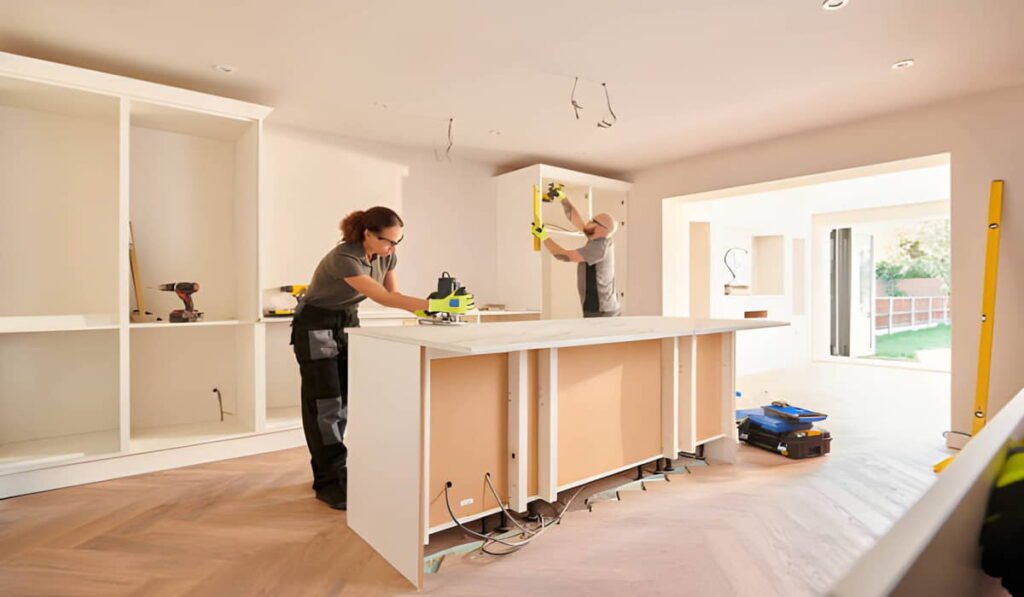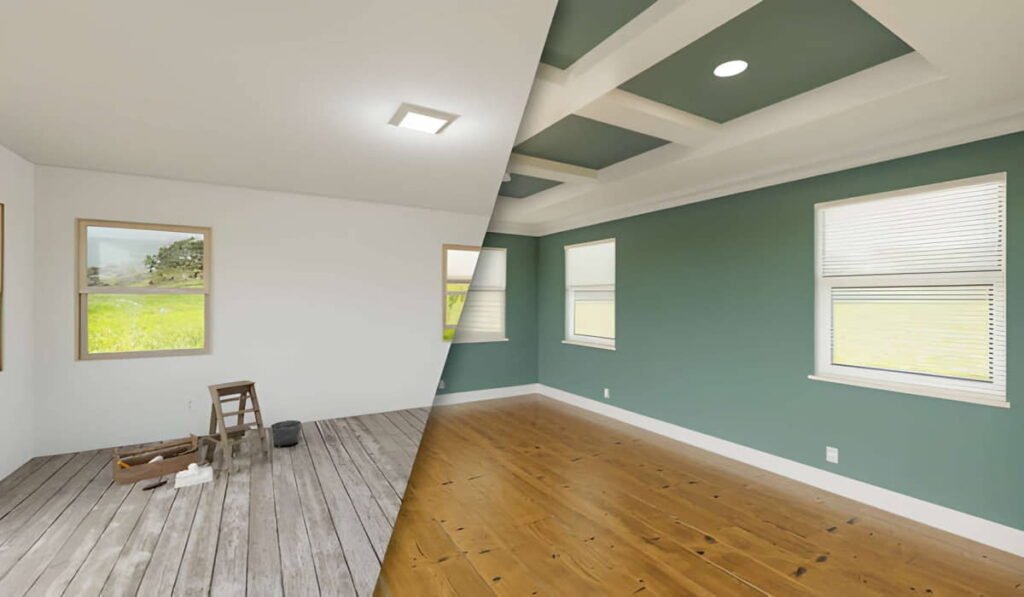
Restoring your home can be exciting and rewarding, especially when you choose eco-friendly ideas. By making green choices, you save money, protect the environment, and create a healthier home for your family.
In this guide, we’ll explore simple and creative eco-friendly ways to restore your home.
Why Choose Eco-Friendly Restoration?
Eco-friendly home restoration is not only good for the planet, but also for your well-being. Here’s why it makes sense:
- Saves Energy and Money – Green solutions reduce energy use and lower utility bills.
- Improves Indoor Health – Natural materials reduce harmful chemicals in your home.
- Protects Natural Resources – Sustainable and recycled materials help preserve the environment.
Plan Before You Start
Good planning is the foundation of a successful eco-friendly restoration.
1. Set a Budget
Decide how much you want to spend. Many eco-friendly options are affordable when planned properly.
2. Decide What to Restore
Choose whether you’re renovating one room, multiple areas, or your entire home.
3. Choose Green Materials
Look for materials like reclaimed wood, bamboo, recycled metal, and non-toxic paints.
Use Recycled Materials
Recycled materials add character while reducing waste.
1. Reclaimed Wood
Use reclaimed wood for flooring, walls, or furniture. It’s durable, stylish, and sustainable.
2. Recycled Metal
Old metal fixtures can be repurposed into lighting, furniture, or decorative accents.
3. Vintage Furniture
Restore old furniture with eco-friendly paint instead of buying new pieces.
Save Energy with Smart Choices
1. Upgrade Windows
Energy-efficient windows help regulate indoor temperature and reduce heating and cooling costs.
2. Use LED Lighting
LED bulbs consume less energy and last longer than traditional lighting.
3. Install Solar Panels
Solar panels provide clean energy and long-term savings if your budget allows.
Use Natural and Non-Toxic Materials
1. Low-VOC or No-VOC Paint
These paints improve indoor air quality and reduce chemical exposure.
2. Bamboo Flooring
Bamboo is fast-growing, durable, and a great eco-friendly flooring option.
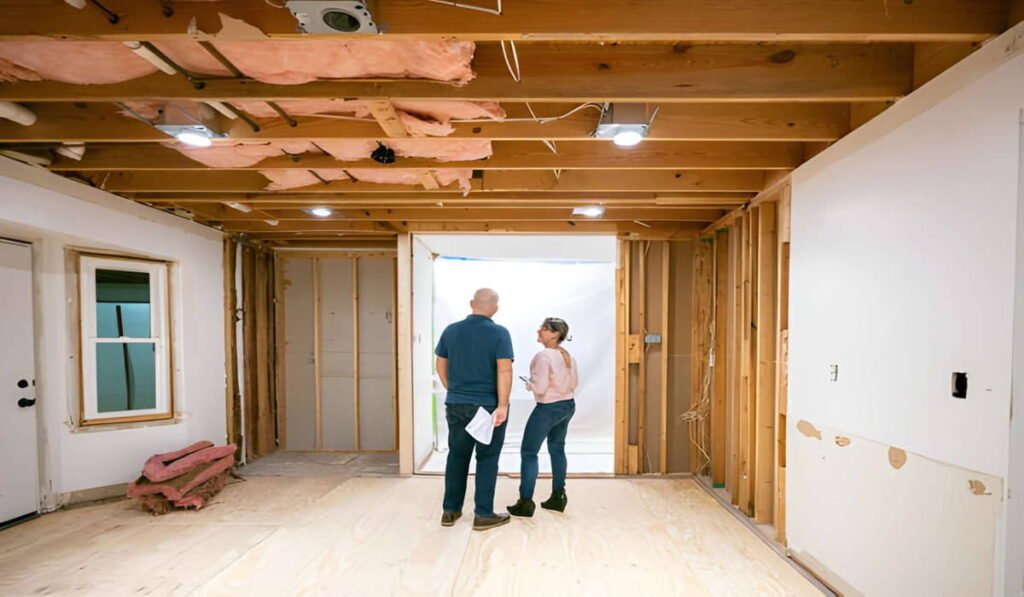
3. Natural Insulation
Choose insulation made from wool or recycled paper for a safer and efficient home.
Add Green Spaces
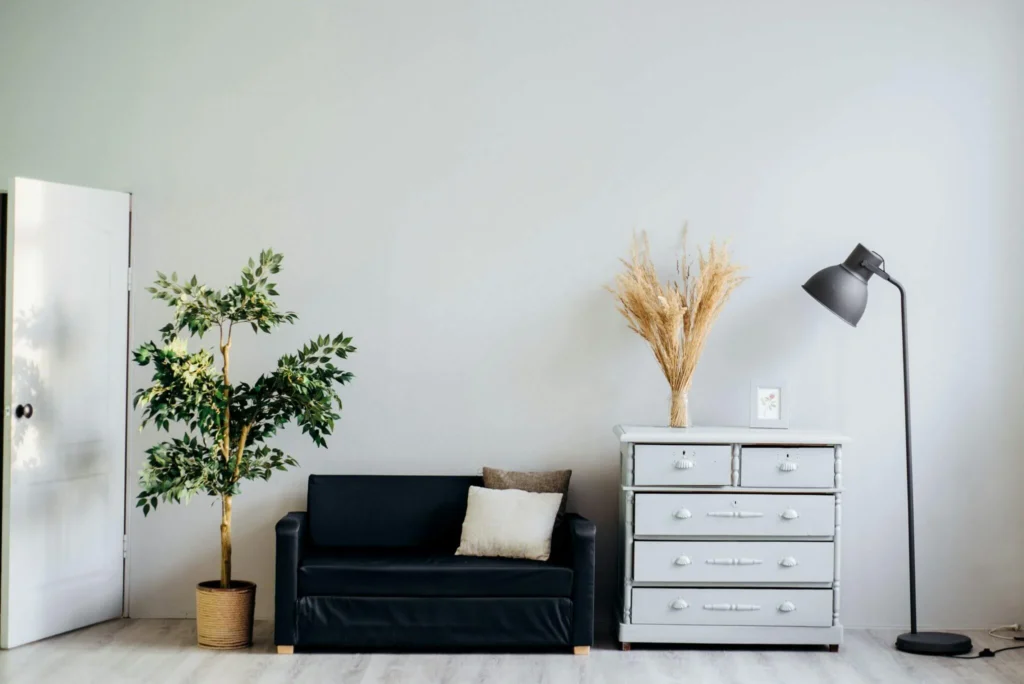
1. Indoor Plants
Houseplants improve air quality and bring natural beauty indoors.
2. Vertical Gardens
Wall gardens are perfect for small spaces and add a modern, fresh look.
3. Green Roofs
Green roofs improve insulation and reduce heat absorption.
Use Water Wisely
Water conservation is a key part of eco-friendly home restoration in New Jersey.
1. Install Low-Flow Fixtures
Low-flow faucets, toilets, and showerheads reduce water usage without sacrificing performance.
2. Rainwater Harvesting
Collect rainwater for gardening and outdoor cleaning.
3. Fix Leaks
Repairing leaks saves water and prevents costly damage.
Reuse and Upcycle
1. Repurpose Old Doors
Turn doors into tables, shelves, or headboards.
2. Reuse Mason Jars
Mason jars can become lighting fixtures, storage containers, or décor.
3. Create DIY Wall Art
Use leftover wood, tiles, or fabric to create unique decorations.
Involve the Whole Family
- Paint Together – Let kids help using non-toxic paint.
- Decorate with Recycled Items – Turn old materials into crafts.
- Plant a Garden – Teach children sustainability through gardening.
Final Tips for Eco-Friendly Home Restoration
- Buy Local – Reduce transportation emissions.
- Donate Unused Items – Keep materials out of landfills.
- Start Small – Even minor changes make a big impact.
Conclusion
Eco-friendly home restoration is a smart and sustainable way to improve your living space. By saving energy, reusing materials, and making thoughtful choices, you can create a comfortable home that’s better for the planet.
Take it one step at a time—and enjoy the journey toward a greener home.