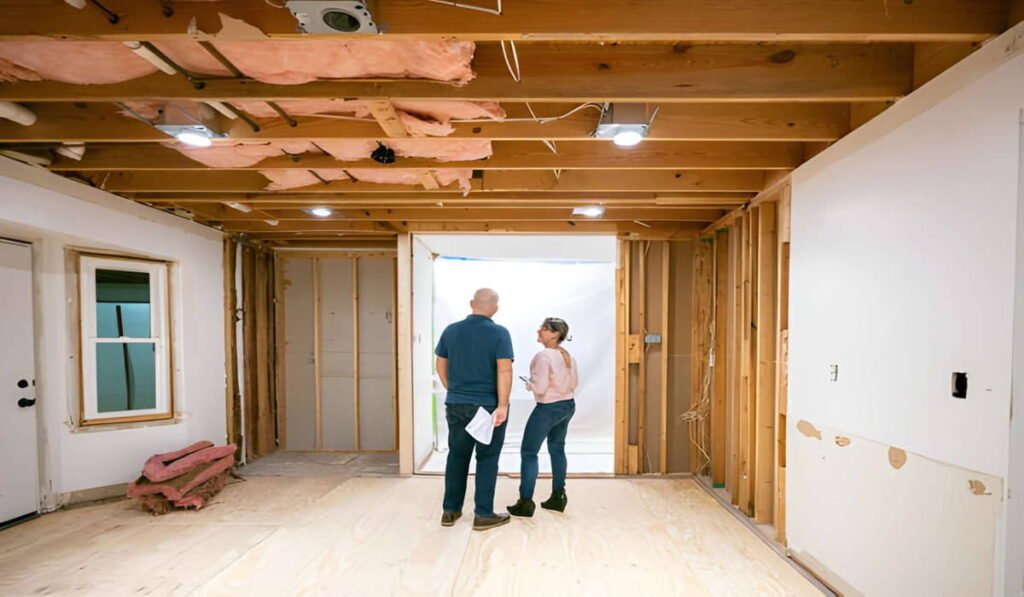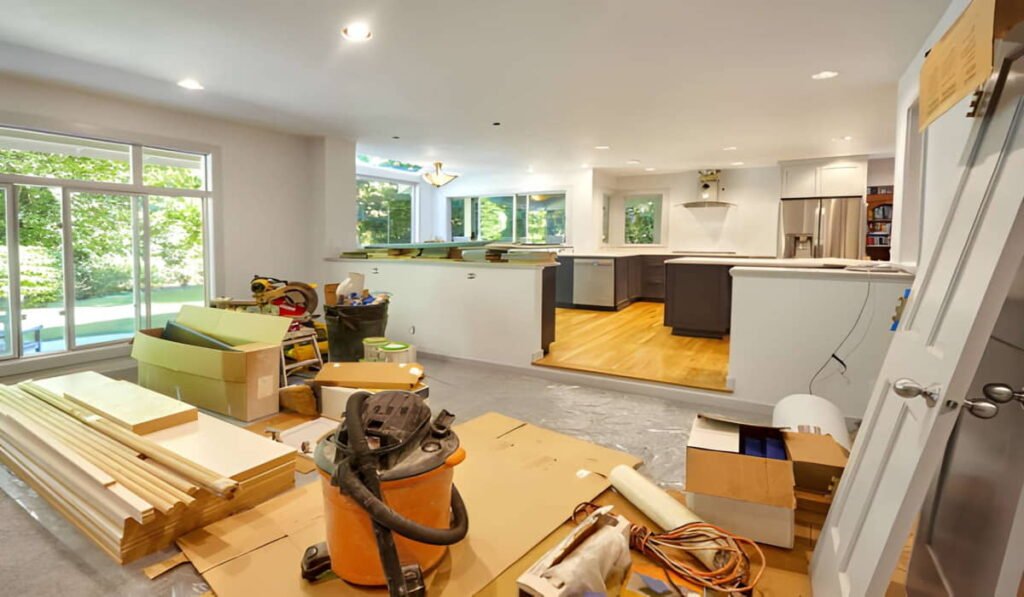
The best time to remodel a home depends on the type of project, your budget, contractor availability, weather, and how much disruption you can handle. A kitchen remodel can usually be completed in winter, while roofing, siding, concrete, and other exterior projects may need better weather.
Spring and summer are popular remodeling seasons because of longer days and generally favorable weather, but they can also bring higher demand and longer contractor schedules. Fall can offer a good balance between weather and availability, while winter can be a practical time for interior remodeling and project planning.
There is no single season that works best for every renovation. The right choice is the season that matches the work you need to complete.
What Should You Consider Before Choosing a Remodeling Season?
Before deciding when to start, look at more than the calendar.
Type of Remodeling Project
The first question is whether the work is mainly inside or outside.
Interior projects such as bathrooms, kitchens, basements, flooring, and interior painting can generally be completed throughout the year. Exterior projects such as roofing, siding, decks, landscaping, and some concrete work are more affected by temperature, rain, snow, and humidity.
Weather
Weather can affect construction schedules and how certain materials perform.
Rain can delay exterior work. Cold temperatures can affect some paints, adhesives, concrete, and other materials. Extreme heat can also create challenges for workers and materials.
Contractor Availability
Contractors are often busiest during the warmer months. This means homeowners who wait until spring or summer to hire someone may face longer scheduling times.
Planning during fall or winter can give you more time to find a contractor and prepare for a future project. Current remodeling guidance also notes that spring and summer tend to be busier periods, while fall and winter can offer better availability for some projects.
Material Availability
Cabinets, windows, flooring, appliances, fixtures, roofing materials, and other products may have different lead times.
Ordering materials before construction begins can reduce the risk of having workers wait for an important item.
Your Family’s Schedule
A remodel can affect your daily routine.
A kitchen renovation may make cooking difficult. A bathroom remodel may temporarily remove access to an important bathroom. A whole-home renovation can create much greater disruption.
Consider school schedules, vacations, holidays, work commitments, and where you will stay during the project.
Remodeling in Spring: Pros and Cons
Spring is one of the most popular times for home remodeling. Temperatures generally become more comfortable, outdoor work becomes easier, and homeowners begin preparing their properties for summer.
Pros of Spring Remodeling
Better weather for exterior projects: Roofing, siding, windows, decks, landscaping, and other outdoor projects can become easier as temperatures improve.
More daylight: Longer days can provide contractors with more workable hours for outdoor projects.
Good time for additions: If you are planning a home addition or another project involving both indoor and outdoor work, spring can provide a useful starting point.
Prepare before summer: Starting in spring may give you a chance to complete important work before the busiest part of the summer.
Comfortable temperatures: Spring weather can be easier to work in than the extreme heat of summer or cold of winter.
Cons of Spring Remodeling
Demand begins to increase: Many homeowners start contacting contractors when the weather improves.
Scheduling can become difficult: Popular contractors may already have projects booked.
Rain can cause delays: Outdoor projects can be interrupted by wet conditions.
Material and permit competition: As remodeling activity increases, homeowners may have to plan earlier to avoid delays.
Best Spring Projects
Spring can work well for:
- Home additions
- Decks and patios
- Windows
- Siding
- Roofing
- Landscaping
- Exterior painting
- Kitchen and bathroom remodeling
For larger spring projects, it is better to begin planning months before the construction start date.
Remodeling in Summer: Pros and Cons
Summer is often considered the peak season for construction and remodeling. Warm weather and long daylight hours make it attractive for many projects.
Pros of Summer Remodeling
Ideal for many exterior projects: Dry and warm conditions can make roofing, decks, siding, outdoor living spaces, and other exterior work easier.
Longer daylight hours: Crews may have more usable daylight for outdoor work.
Good for major exterior work: Large outdoor projects can take advantage of favorable conditions.
Convenient for families: Some homeowners prefer to schedule disruptive projects while children are out of school or while the family is traveling.
Good construction conditions: In regions with stable summer weather, outdoor work may experience fewer weather-related interruptions than during colder months.
Cons of Summer Remodeling
High contractor demand: Summer can be one of the busiest periods for remodeling.
Longer wait times: The contractor you want may be booked well in advance.
Potentially higher costs: Strong demand can affect pricing and scheduling.
Heat can become a problem: Extreme temperatures can make working conditions harder and may affect some materials.
Vacation schedules: Contractors, suppliers, and homeowners may all have vacations planned during the summer.
Best Summer Projects
Summer is often suitable for:
- Roofing
- Deck construction
- Patio projects
- Siding
- Home additions
- Exterior painting
- Landscaping
- Driveways
- Major structural exterior work
Summer can also be used for interior remodeling, but it is not automatically the best season for indoor work.
Remodeling in Fall: Pros and Cons
Fall can be an excellent middle ground for homeowners who want reasonable weather without the peak activity of summer.
Current 2026 remodeling guidance identifies fall as a strong period for many projects because temperatures are often more comfortable and summer demand may begin to ease.
Pros of Fall Remodeling
Comfortable temperatures: Mild weather can make working conditions easier.
Less summer competition: Some contractors may have more availability after the summer rush.
Good for finishing exterior work: Early fall can provide a useful window for projects that need to be completed before colder weather arrives.
Good time for interior work: Interior renovations can continue even as outdoor temperatures begin to fall.
Prepare for winter: Fall is a good time to address problems with roofs, windows, doors, insulation, and other parts of the home before severe winter weather.
Cons of Fall Remodeling
Weather becomes less predictable: Rain, cold temperatures, and storms can interrupt exterior work later in the season.
Shorter days: Daylight decreases as winter approaches.
Holiday deadlines: Homeowners who want a project completed before Thanksgiving or the winter holidays may create unnecessary time pressure.
Late-season contractor demand: Some contractors become busy finishing projects before winter.
Best Fall Projects
Fall can be a good time for:
- Roofing
- Windows and doors
- Exterior repairs
- Insulation upgrades
- Kitchen remodeling
- Bathroom remodeling
- Basement remodeling
- Flooring
- Interior painting
For exterior projects, earlier fall is generally safer than waiting until temperatures become too cold.
Remodeling in Winter: Pros and Cons
Winter is often considered a difficult season for remodeling, but that mainly applies to certain exterior projects. For indoor remodeling, winter can actually be a practical choice.
Pros of Winter Remodeling
Better contractor availability: Some contractors have lighter schedules during winter.
Potential off-season savings: Depending on the contractor and local market, homeowners may find better pricing or more flexible scheduling during slower periods. Current 2026 remodeling guidance specifically notes that winter can offer scheduling and potential cost advantages for interior projects.
Ideal for indoor work: Weather outside generally does not prevent work inside a heated home.
More time for planning: Winter can be used to finalize designs, order materials, obtain permits, and prepare for spring construction.
Complete work before spring: An interior project completed during winter can leave your home ready for the warmer months.
Cons of Winter Remodeling
Exterior work can be difficult: Snow, freezing temperatures, ice, and winter storms can delay many outdoor projects.
Shorter daylight hours: Outdoor work has fewer daylight hours.
Holiday interruptions: December projects can be affected by holidays, vacations, and reduced supplier availability.
Cold air can enter the home: Projects involving windows, exterior walls, or large openings may temporarily make indoor areas uncomfortable.
Ventilation challenges: Painting, adhesives, finishes, and other products may require careful ventilation when windows cannot remain open comfortably.
Best Winter Projects
Winter is often suitable for:
- Kitchen remodeling
- Bathroom remodeling
- Basement finishing
- Flooring
- Interior painting
- Cabinet installation
- Electrical upgrades
- Plumbing upgrades
- Interior renovations
- Design and project planning
Exterior projects should be evaluated carefully based on local temperatures and the requirements of the materials being used.
Which Season Is Best for a Kitchen Remodel?
A kitchen remodel can be completed during any season because most of the work happens indoors.
Winter can offer scheduling advantages if contractors have more availability. Spring and fall may be comfortable periods if you need part of the project to involve exterior work, such as a new door or window.
Summer can also work well if you are planning around a family vacation and want to be away while the kitchen is under construction.
The best season is often the one that fits your contractor’s schedule, material availability, and your family’s needs.
Which Season Is Best for a Bathroom Remodel?
Bathroom remodeling can also be done year-round.
Winter can be a good option if you want to take advantage of potentially lighter contractor schedules. Fall can also be convenient because temperatures are usually more comfortable and the project can be completed before the holiday season.
The main issue is not outdoor weather but how long your household will be without the bathroom.
For larger bathroom projects, arrange an alternative bathroom before construction begins.
Which Season Is Best for Exterior Remodeling?
Exterior remodeling is more dependent on local weather.
Projects such as roofing, siding, decks, exterior painting, windows, and concrete generally need suitable temperature and weather conditions.
Spring, summer, and early fall are often the most practical periods, but the ideal window depends on your local climate and the specific materials being installed.
Do not schedule an exterior project based only on the month. Ask your contractor about temperature requirements, expected weather, material installation requirements, and possible delays.
Which Season Is Best for a Home Addition?
Home additions can cross several seasons because they often involve excavation, foundations, framing, roofing, electrical work, plumbing, insulation, drywall, and interior finishing.
For this reason, planning is often more important than choosing one specific season.
You may start planning during winter, begin exterior construction in spring or summer, and finish interior work during fall or winter.
A large addition should be scheduled around permits, material lead times, contractor availability, and the expected construction timeline rather than trying to complete everything within one season.
Is Winter Remodeling Really Cheaper?
Winter can sometimes be less expensive, but there is no guarantee.
Contractor demand, local competition, project size, material prices, labor costs, and the type of work all affect the final price.
A contractor with an open winter schedule may be more flexible with timing or pricing. However, specialized contractors may remain busy throughout the year.
Instead of assuming winter is cheaper, get multiple detailed estimates and compare what each contractor includes.
How Far in Advance Should You Plan a Remodel?
The larger the project, the earlier you should start.
A simple interior project may require less planning than a whole-home remodel or addition. Larger projects may require design work, contractor selection, permits, engineering, material orders, and inspections before construction begins.
A practical approach is to:
- Define the scope of work.
- Set your budget.
- Research contractors.
- Get detailed estimates.
- Finalize your design.
- Select materials.
- Apply for required permits.
- Confirm the construction schedule.
- Order long-lead materials.
- Prepare your home for construction.
Starting this process before your preferred season gives you more flexibility.
How to Choose the Right Remodeling Season
Instead of asking, “What is the best season to remodel?” ask these questions:
What type of work am I doing?
Interior work is usually more flexible than exterior work.
Does the project depend on good weather?
If yes, choose a season that supports the required temperatures and conditions.
How quickly do I need the project completed?
If you have a strict deadline, contractor availability may be more important than seasonal preference.
Is my budget flexible?
If your budget is tight, ask contractors about off-season scheduling.
Can my family live through the project?
Consider whether you need to move out or arrange alternative kitchen, bathroom, or living space.
Are materials readily available?
Do not start demolition before confirming that important replacement materials are available or ordered.
Seasonal Remodeling: A Quick Comparison
| Season | Best For | Main Advantage | Main Challenge |
|---|---|---|---|
| Spring | Exterior and mixed projects | Improving weather | Rain and rising demand |
| Summer | Exterior and major projects | Long days and warm weather | High demand and heat |
| Fall | Interior and exterior work | Mild weather and balanced scheduling | Shorter days and changing weather |
| Winter | Interior projects | Better availability and planning time | Cold weather and exterior limitations |
Final Thoughts
There is no universal best season for remodeling a home. The right time depends on the project, your location, budget, contractor availability, material lead times, and personal schedule.
Spring is useful for getting exterior projects underway, while summer offers long days and favorable conditions for many outdoor renovations. Fall can provide a good balance of weather and scheduling. Winter is often better suited to interior remodeling, planning, and preparation for projects that will begin when warmer weather arrives.
The most important step is to plan. Do not wait for your preferred season to arrive before contacting contractors, selecting materials, and handling permits. By planning early, you can choose a construction window that works for both your home and the project.