A successful home renovation timeline starts with proper planning, realistic budgeting, contractor scheduling, material ordering, and room prioritization. Most renovation delays happen because homeowners rush the planning stage, change decisions during construction, or underestimate how long approvals and materials can take.
Why Renovation Timelines Often Go Wrong
Many homeowners think renovations only depend on construction work. In reality, a renovation timeline is affected by many moving parts:
- Design planning
- Material availability
- Contractor schedules
- Permit approvals
- Unexpected structural issues
- Change requests during work
Even a simple kitchen or bathroom remodel can get delayed if planning is incomplete before the project starts.
From real renovation experience, the biggest time-wasting mistake is starting demolition before finalizing decisions.
Step 1: Define the Scope of the Renovation
Before creating any timeline, first define exactly what you are renovating.
Ask yourself:
- Are you remodeling one room or the whole house?
- Are structural changes involved?
- Will plumbing or electrical systems be modified?
- Are permits required?
A small cosmetic upgrade may take a few weeks, while a full house renovation can take several months depending on complexity.
Example Timelines
- Bathroom remodeling: 2–5 weeks
- Kitchen remodeling: 4–8 weeks
- Basement remodeling: 4–10 weeks
- Full house renovation: several months
The clearer your scope is at the beginning, the easier it becomes to build a realistic timeline.
Step 2: Finalize Your Budget Early
Budget issues are one of the biggest causes of renovation delays.
Many projects stop midway because:
- Material costs increase
- Unexpected repairs appear
- Homeowners upgrade finishes during construction
Before work starts, build a realistic budget that includes:
- Labor costs
- Materials
- Permits
- Contingency funds for surprises
A good rule is keeping an extra 10–20% buffer for unexpected issues.
Step 3: Plan Materials Before Construction Starts
One major mistake homeowners make is choosing materials after construction has already begun.
This creates delays because:
- Tiles may be out of stock
- Cabinets may need weeks for delivery
- Custom materials can take months
Before demolition starts, try to finalize:
- Flooring
- Paint colors
- Fixtures
- Cabinets
- Countertops
- Lighting
This keeps contractors moving without unnecessary pauses.
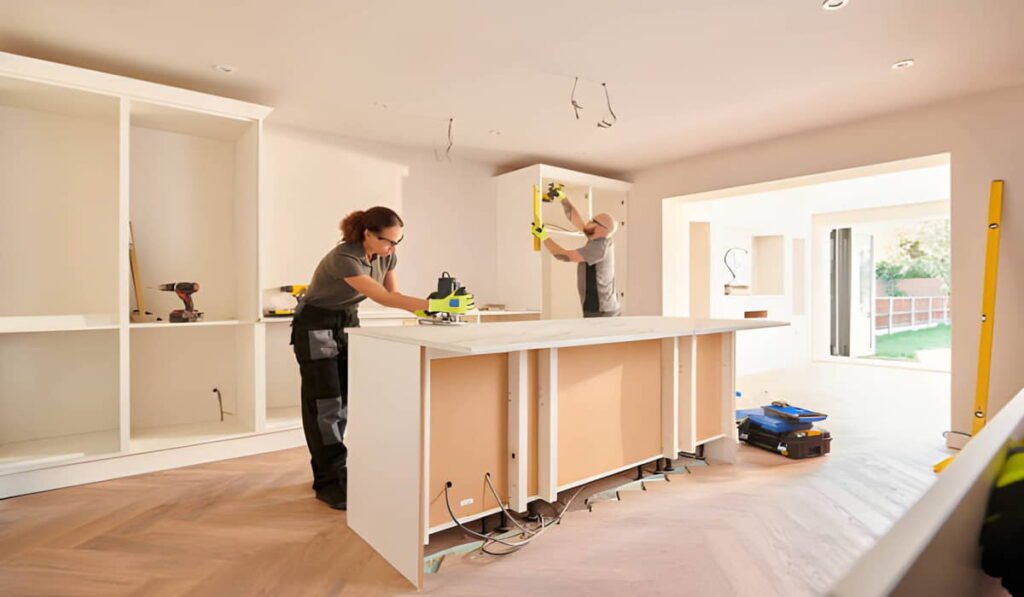
For example, during a kitchen remodeling New Jersey project, delayed cabinet delivery alone can shift the entire renovation schedule by several weeks.
Step 4: Hire the Right Contractor Early
Good contractors are often booked weeks or months in advance.
Waiting until the last minute to hire professionals usually limits your options and creates scheduling problems.
When selecting a contractor, look for:
- Clear communication
- Real renovation experience
- Transparent timelines
- Proper licensing and insurance
Experienced renovation companies usually help organize the timeline more realistically because they understand how different project phases connect together.
For example, companies like AW Martin Construction & Restoration often handle projects like kitchen remodeling, bathroom remodeling, basement remodeling in New Jersey, and full house renovation New Jersey projects where scheduling coordination becomes extremely important.
Step 5: Understand the Order of Renovation Work
A proper renovation timeline follows a sequence. Trying to do everything randomly creates delays and mistakes.
Most projects follow this general order:
- Planning and design
- Permits and approvals
- Demolition
- Structural work
- Plumbing and electrical
- Inspections
- Walls and flooring
- Cabinets and fixtures
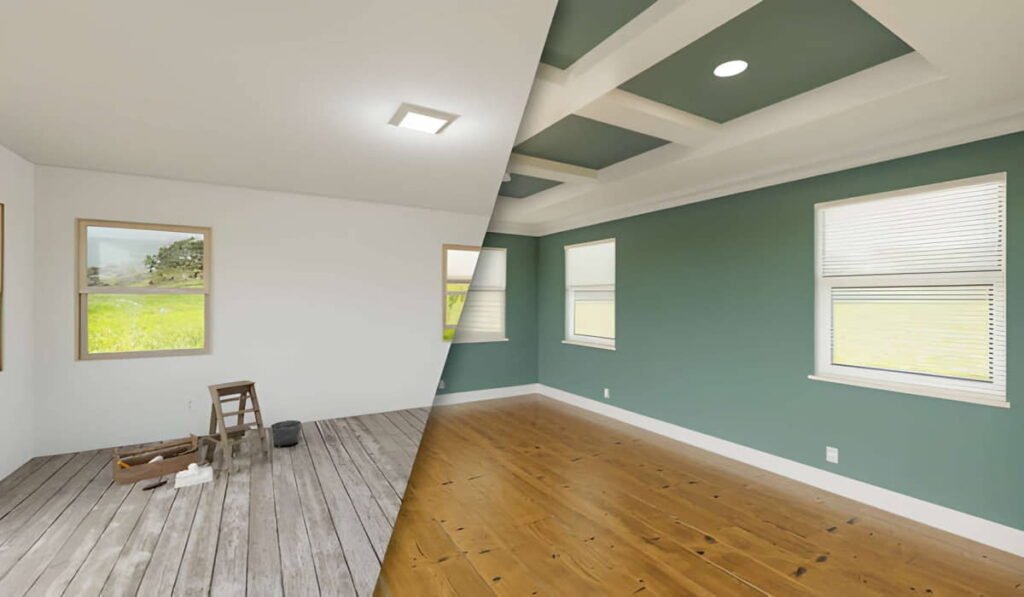
- Painting and finishing
- Final cleanup and walkthrough
Understanding this process helps homeowners set realistic expectations.
Step 6: Expect Unexpected Delays
Even well-planned renovations can face surprises.
Common unexpected issues include:
- Hidden water damage
- Mold problems
- Old wiring
- Structural repairs
- Permit delays
- Weather conditions
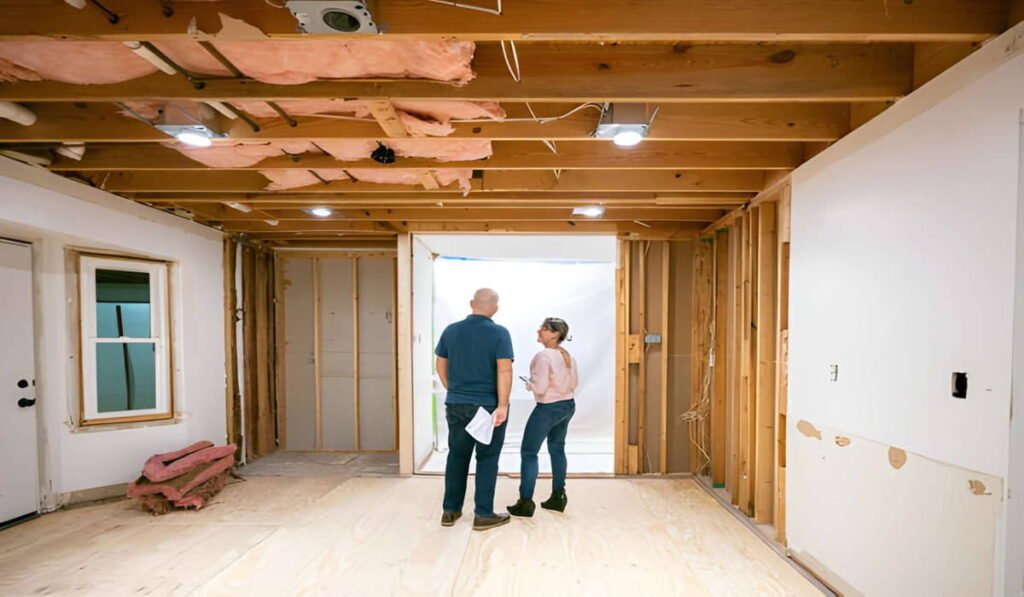
This is especially common in older homes where hidden problems are only discovered after demolition begins.
From experience, homeowners who leave flexibility in their timeline usually experience less stress during renovations.
Step 7: Avoid Making Changes During Construction
One of the fastest ways to destroy a renovation timeline is changing decisions midway through the project.
For example:
- Changing tile designs after installation starts
- Moving plumbing fixtures late
- Switching paint colors repeatedly
Every change affects:
- Labor scheduling
- Material ordering
- Project sequencing
This creates delays and often increases costs significantly.
The more decisions finalized before work begins, the smoother the renovation process becomes.
Step 8: Renovate High-Impact Areas First
If you are renovating in phases, prioritize areas that improve daily living the most.
Usually, homeowners begin with:
- Kitchens
- Bathrooms
- Basements
- Main living spaces
For example, a bathroom remodeling project often improves functionality quickly, while a finished basement adds both living space and property value.
Similarly, basement remodeling NJ projects are commonly planned during larger home upgrades because they maximize unused space efficiently.
Step 9: Communicate Regularly With Your Contractor
Strong communication helps prevent confusion and delays.
Schedule regular progress updates and discuss:
- Current progress
- Upcoming work phases
- Material arrival timelines
- Potential issues early
Many renovation problems become worse simply because homeowners and contractors stop communicating clearly.
Good communication keeps expectations realistic on both sides.
Step 10: Plan for Daily Life During Renovation
Home renovations affect everyday routines more than most people expect.
Before work begins, think about:
- Temporary kitchen access
- Bathroom usage
- Dust control
- Noise levels
- Children and pets
- Work from home setup
For larger projects like a full house renovation, some families temporarily relocate during major construction phases.
Planning daily life in advance reduces stress significantly.
Why Realistic Timelines Matter
Unrealistic timelines create frustration for both homeowners and contractors.
Many social media renovation videos make projects look faster than they really are. But quality renovation work takes time because:
- Proper installation matters
- Inspection stages matter
- Drying and curing times matter
- Skilled craftsmanship cannot be rushed
A realistic schedule usually produces better long-term results.
Final Thoughts
A successful renovation timeline is not just about speed. It is about planning properly from the beginning.
The homeowners who experience the smoothest renovations usually:
- Finalize decisions early
- Choose experienced contractors
- Order materials in advance
- Communicate consistently
- Leave room for unexpected delays
Whether it is a small bathroom remodel or a full house renovation, proper timeline planning helps reduce stress, avoid expensive delays, and keep the project moving efficiently from start to finish.