Restoring a historic home is like bringing an old story back to life. These homes are full of charm, history, and unique details you can’t find in modern buildings. But restoring one can be expensive if you’re not careful.
Don’t worry! With smart planning and effort, you can restore a historic home without breaking the bank.
This guide will walk you through the process step by step.
Why Restore a Historic Home?
Historic homes have personality. Their wooden floors, old windows, and special architectural details make them stand out. Restoring them preserves history while giving you a unique and cozy place to live.
Plan Before You Start
Check the Rules
Many historic homes are protected by local regulations. Check whether there are restrictions on replacing windows, doors, or exterior features before starting your project.
Set a Budget
Create a list of required repairs and estimated costs. A clear budget helps prevent overspending and keeps the project on track.
Focus on the Most Important Repairs First
Start with essential structural and safety repairs.
1. Roof and Foundation
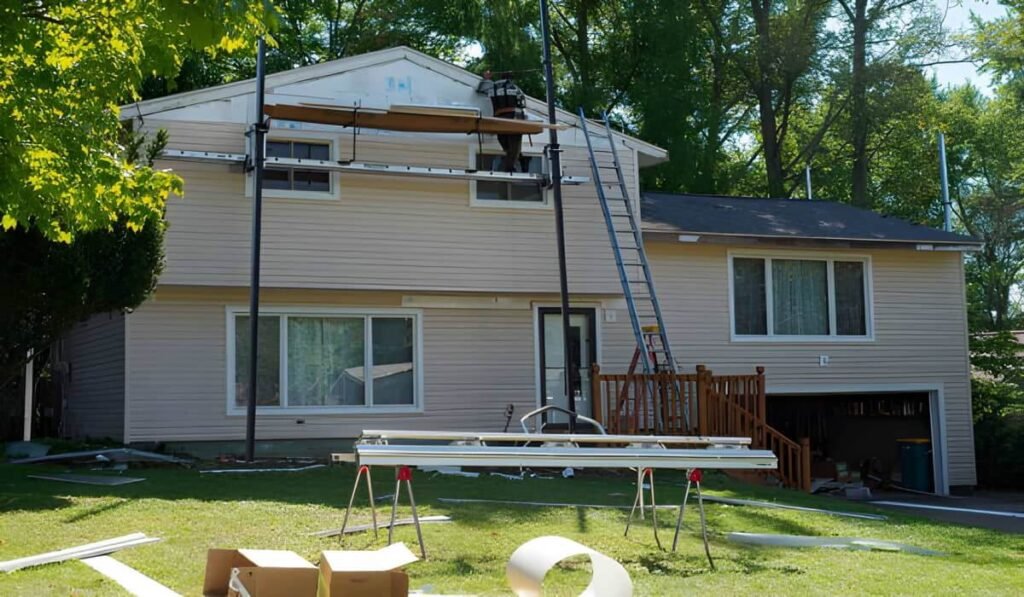
Leaks or foundation cracks can cause serious damage. Fix these issues first to protect the rest of the home.
2. Plumbing and Electrical
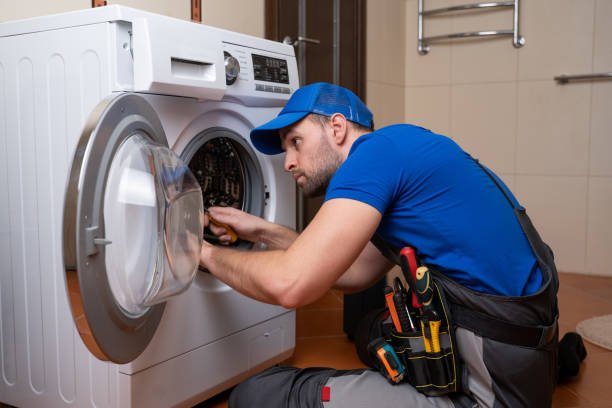
Older homes often have outdated systems. Ensure plumbing and wiring meet safety standards, and hire professionals when necessary.
3. Windows and Doors
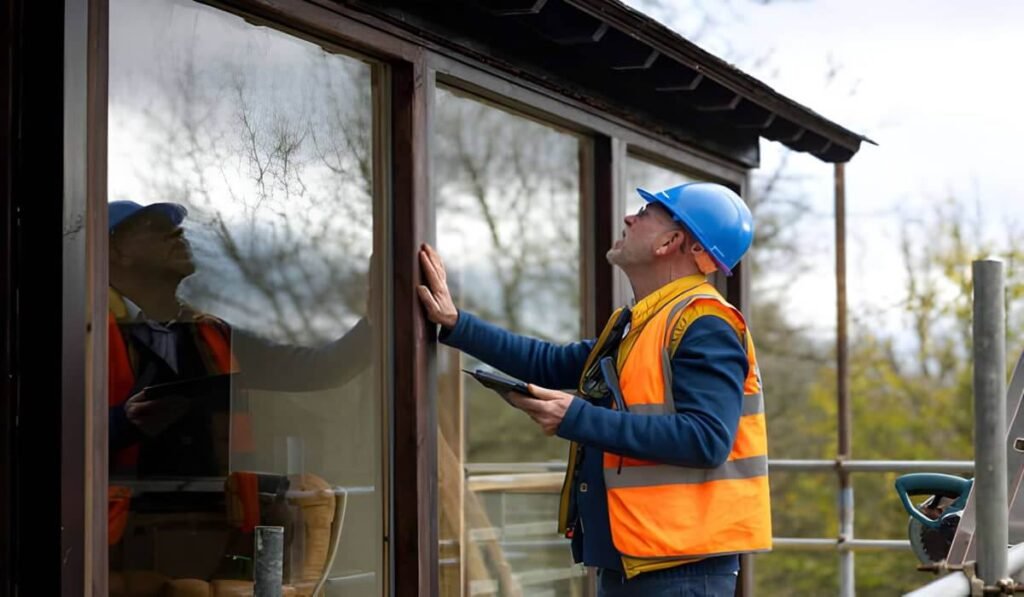
Repairing and sealing existing windows and doors improves energy efficiency while preserving original character.
Reuse and Restore Original Features
Preserving original elements saves money and maintains authenticity.
Save the Wooden Floors
Refinishing hardwood floors restores their beauty and avoids costly replacements.
Fix Old Windows
Repair and weather-seal original windows instead of replacing them whenever possible.
Keep Original Fixtures
Vintage doorknobs, light fixtures, and hardware can often be cleaned or repainted to look new again.
Do-It-Yourself (DIY) Projects
DIY work can significantly reduce costs.
1. Painting Walls
Painting is affordable and instantly refreshes your space. Choose period-appropriate colors.
2. Cleaning Brick or Stone
Gentle cleaning methods can revive brick and stone surfaces without damage.
3. Fixing Small Cracks
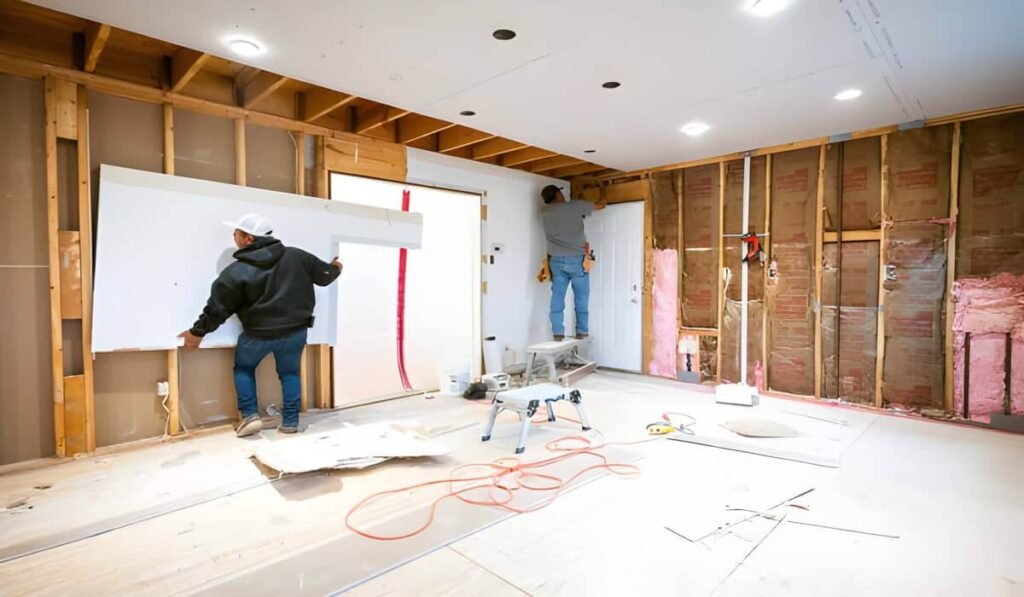
Minor wall and ceiling cracks can be repaired with basic tools.
Shop Smart for Materials
1. Salvage Yards
Salvage yards offer doors, windows, and fixtures at lower prices with authentic character.
2. Thrift Stores
Find period-style furniture and décor at affordable prices.
3. Online Marketplaces
Platforms like Facebook Marketplace or eBay often have budget-friendly restoration materials.
Work with Professionals Wisely
Get Multiple Quotes
Compare contractor prices to find the best value.
Offer to Help
Some contractors may reduce costs if you assist with basic tasks like cleanup.
Keep the Home’s History Alive
1. Learn the Home’s Story
Understanding your home’s history helps guide restoration decisions.
2. Match the Style
Use materials and colors appropriate to the home’s original time period.
3. Preserve Unique Features
Protect original moldings, fireplaces, and built-in elements that add character.
Be Patient and Enjoy the Process
Historic restoration takes time. Enjoy each step and appreciate the craftsmanship along the way.
Conclusion
Restoring a historic home on a budget is achievable with careful planning, creativity, and respect for the past. Focus on essentials, reuse original features, and take on DIY projects where possible.
With patience and smart decisions, your historic home will become a beautiful blend of old charm and modern comfort.