
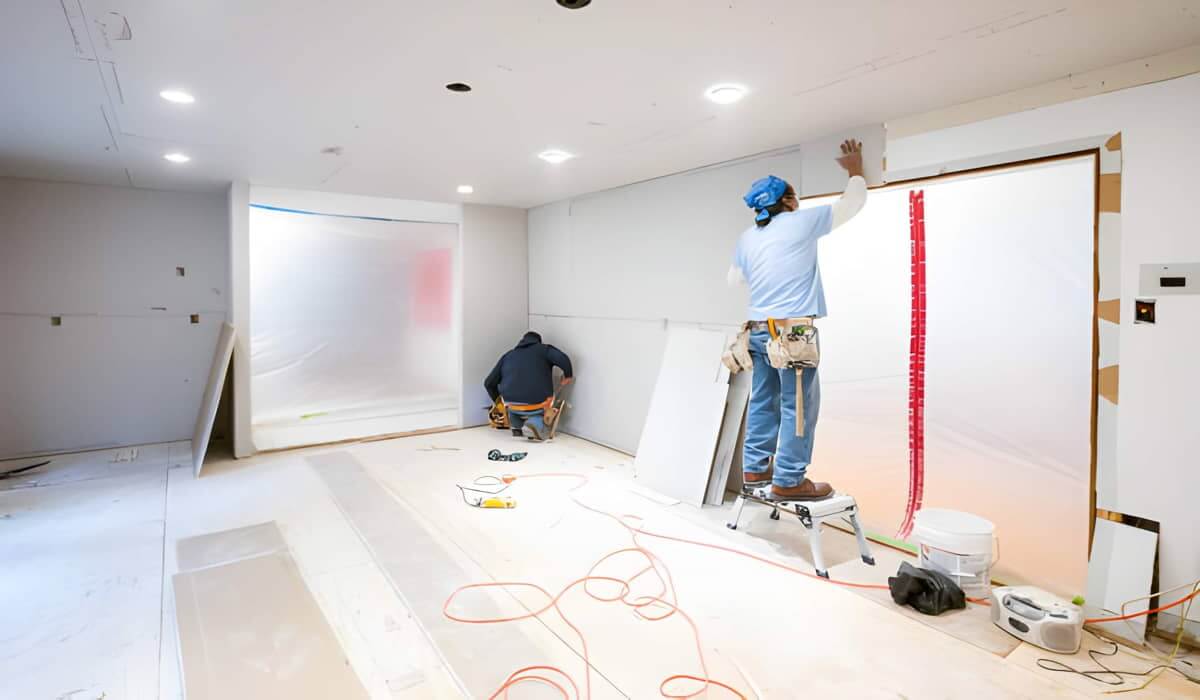
Renovating a house does not always mean spending a lot of money. Many people delay renovation because they think it is expensive. The truth is, with smart planning and simple choices, you can improve your home without breaking your budget.
This guide explains how to renovate your house on a low budget using practical steps that really work.
Start With a Clear Plan and Budget
The first step in low-budget renovation is planning. Without a plan, costs increase very fast.
Write down what needs renovation and what can wait. Focus on areas that give the most value, like the kitchen, bathroom, and living space.
Set a fixed budget and keep a small extra amount for emergencies. Knowing your limits helps you avoid overspending and poor decisions.
Fix Problems Before Doing Beauty Work
Always repair major issues before spending money on looks.
Fix leaking pipes, broken wiring, damp walls, and cracked floors first. Ignoring these problems can lead to bigger expenses later.
A safe and functional home saves more money in the long run than just a beautiful one.
Paint Is the Cheapest Way to Transform a Home
Painting is one of the most affordable renovation options.
Fresh paint makes old walls look new and clean. Light colors make rooms feel bigger and brighter.
You can save money by painting yourself instead of hiring labor. Even one feature wall can change the look of a room without high cost.
Renovate One Room at a Time
Trying to renovate the whole house at once increases stress and expenses.
Focus on one room, complete it, and then move to the next. This helps control spending and avoids unnecessary purchases.
It also allows you to learn from each step and make better decisions in later rooms.
Upgrade Fixtures Instead of Full Replacement
You do not always need new furniture or fittings.
Simple upgrades can make a big difference:
Change cabinet handles
Replace old taps
Install new light fixtures
Update door knobs
These small changes cost less but improve the overall look of your home.
Use Affordable Flooring Options
Flooring can be expensive, but budget-friendly options are available.
Vinyl flooring, laminate, and peel-and-stick tiles are affordable and easy to install. Area rugs also help cover old floors and add style.
Avoid removing old flooring if it is still usable. Installing new flooring over it can save time and money.
Improve Lighting to Change the Feel of the House
Good lighting makes a house feel modern and welcoming.
Replace old bulbs with energy-saving LED lights. Use warm light in bedrooms and bright light in kitchens and work areas.
Adding mirrors helps reflect light and makes rooms look larger without spending much.
Reuse and Repurpose Old Items
Old furniture does not mean useless furniture.
You can repaint cabinets, polish tables, or change sofa covers to give them a new look. Old doors can be reused as tables or shelves.
Repurposing saves money and adds a unique touch to your home.
Shop Smart for Materials and Decor
Buying smartly reduces renovation costs.
Look for:
Seasonal sales
Clearance items
Local markets
Online discounts
Avoid expensive branded items when good quality local alternatives are available.
Compare prices before buying anything.
DIY Where Possible
Doing some work yourself saves labor costs.
Simple tasks like painting, installing shelves, changing fixtures, and basic repairs can be done with online tutorials.
Only hire professionals for electrical, plumbing, and structural work.
Use Simple Designs Instead of Luxury Styles
Luxury designs cost more to build and maintain.
Choose simple layouts and minimal designs. Clean lines and neutral colors look modern and stay in trend longer.
Simple design also makes future renovations easier and cheaper.
Update Kitchen on a Budget
You do not need a full kitchen remodel to make it look better.
Paint cabinets instead of replacing them. Change cabinet handles. Add a backsplash using peel-and-stick tiles.
Clean and organize countertops to make the kitchen look fresh and functional.
Make Small Bathroom Improvements
Bathrooms can be updated without high costs.
Change shower curtains, mirrors, and accessories. Replace old taps and fix leaks.
Proper cleaning and good lighting can make a bathroom look new without major renovation.
Focus on Energy-Saving Improvements
Energy-saving upgrades reduce monthly bills.
Install LED lights, seal doors and windows, and use energy-efficient appliances.
These small changes save money over time and improve comfort.
Avoid Unnecessary Structural Changes
Structural changes increase renovation costs fast.
Avoid breaking walls or changing layouts unless necessary. Working with the existing structure saves money and time.
Simple cosmetic updates often give better results at lower cost.
Track Spending Regularly
Keep track of every expense.
Write down what you spend daily. This helps you stay within budget and spot unnecessary costs early.
Budget tracking prevents last-minute surprises.
Final Thoughts
Renovating a house on a low budget is possible with smart planning and simple choices. Focus on repairs first, use affordable materials, do small upgrades, and avoid luxury changes.
A beautiful home does not need to be expensive. With patience and creativity, you can renovate your house without financial stress.